Basic Whisky Knowledge
What kind of spirit is whisky?
What is malt whisky? What is grain whisky?
Discover the definition, types, and
production methods of whisky—
essential knowledge that enhances
your enjoyment the more you learn.
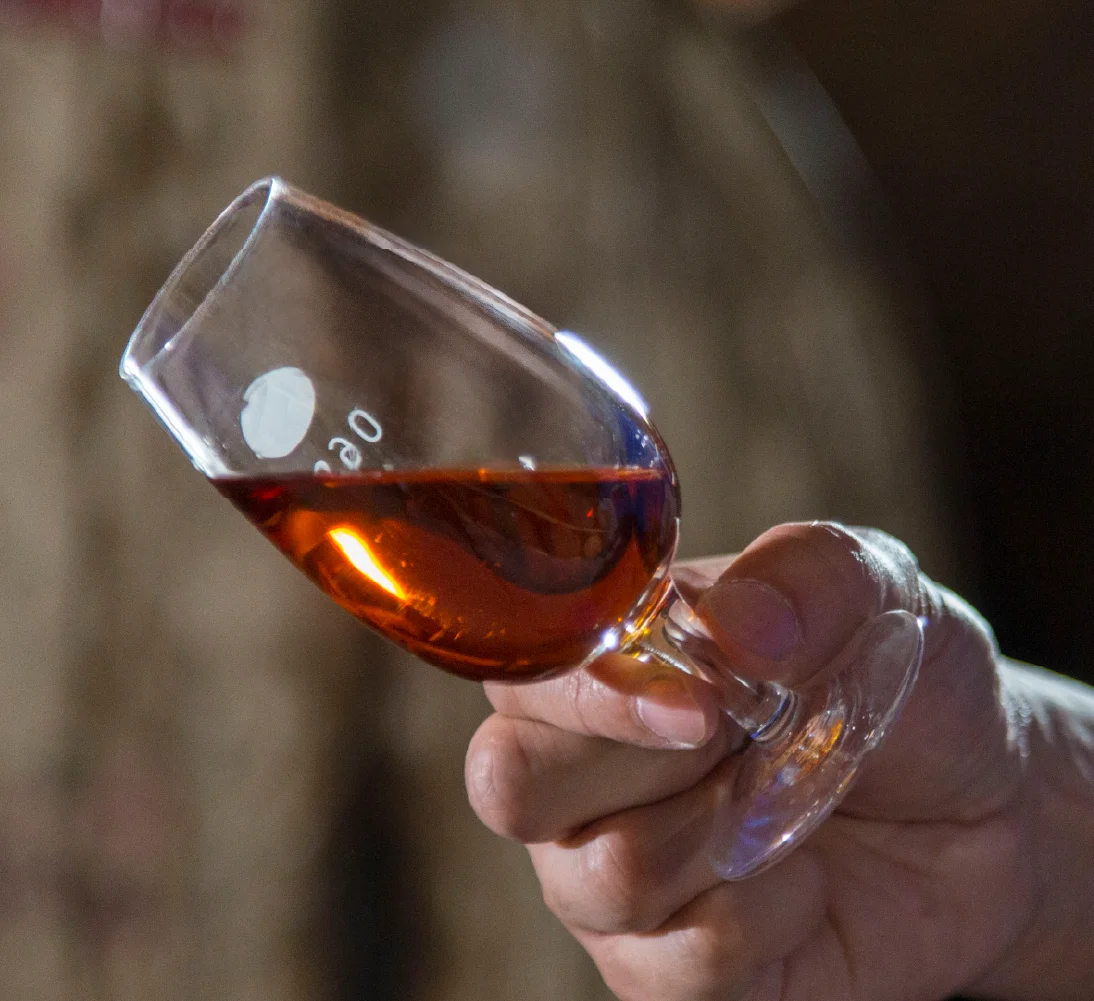
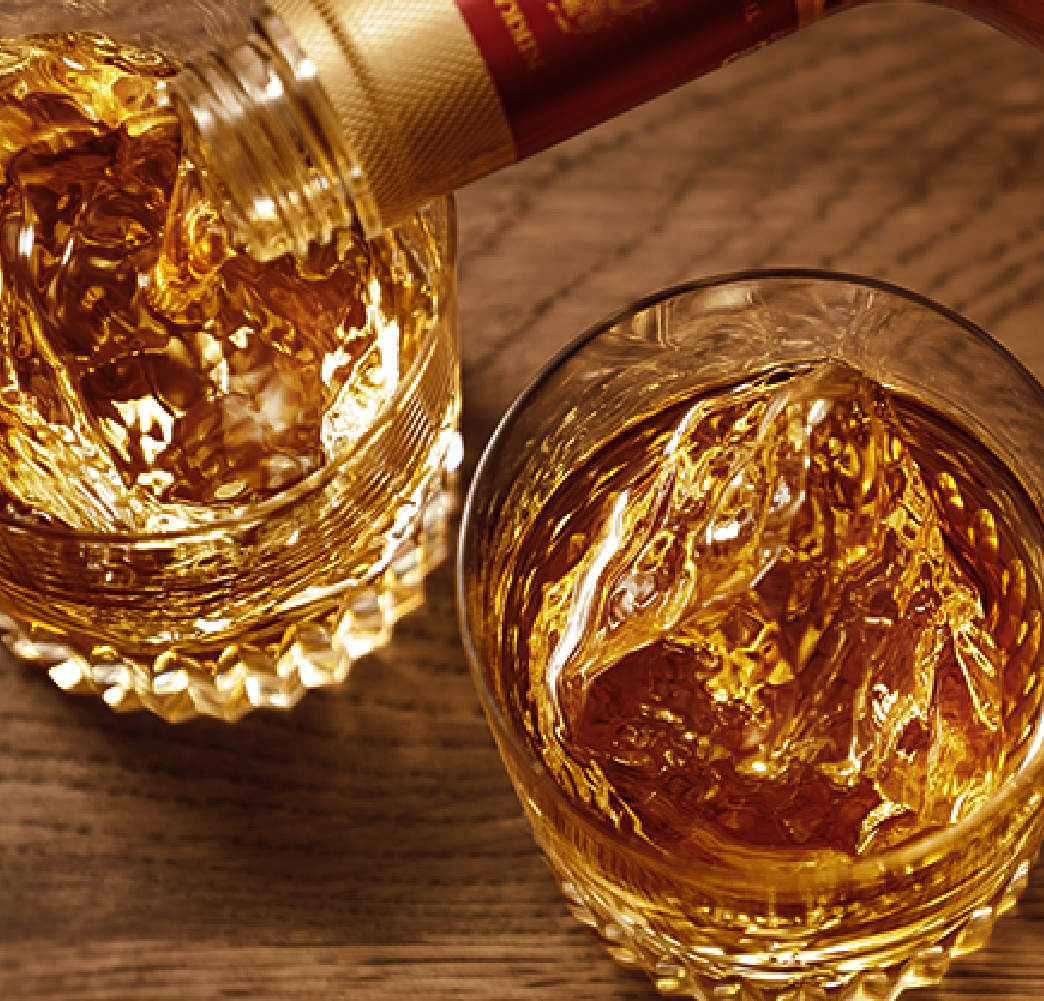
What is Whisky?
Whisky Definition
While the definition of whisky varies by country, it can be described as follows:
A distilled spirit made from grain, which undergoes mashing, fermentation, and distillation, which is then stored and aged in wooden barrels.
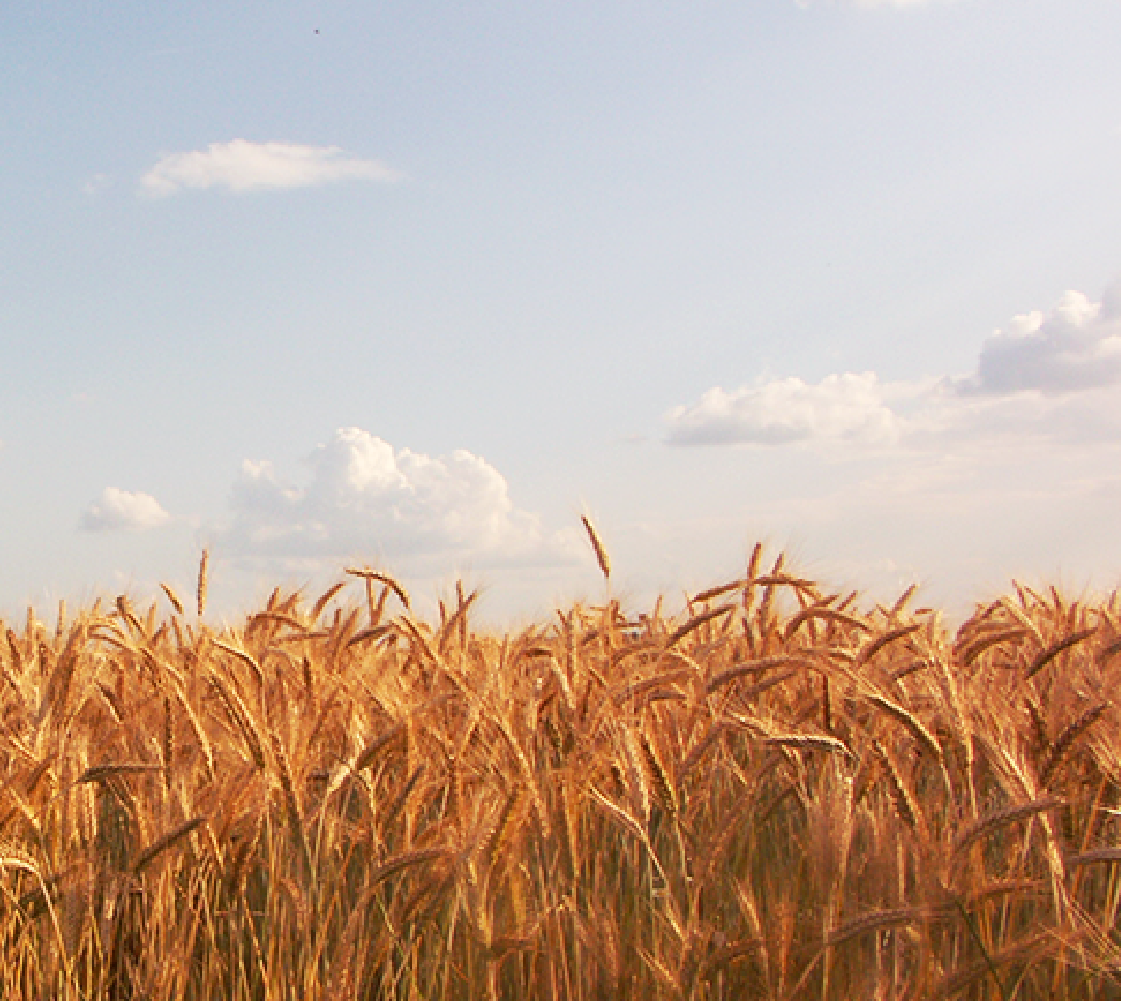
Grains primarily include malted barley (malt) and corn. Wheat and rye are also sometimes used. It is also common practice to store and mature whisky in wooden casks.
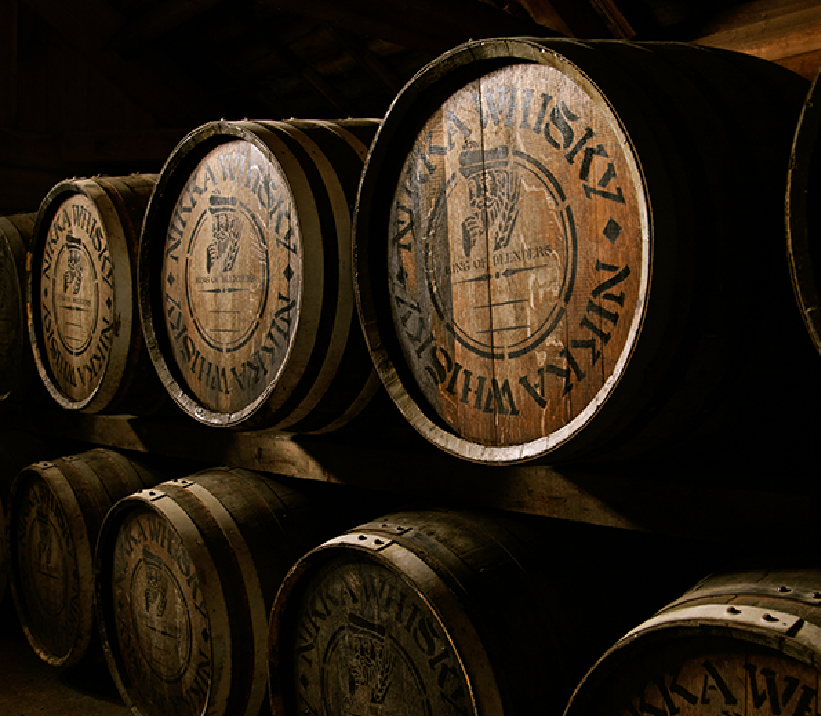
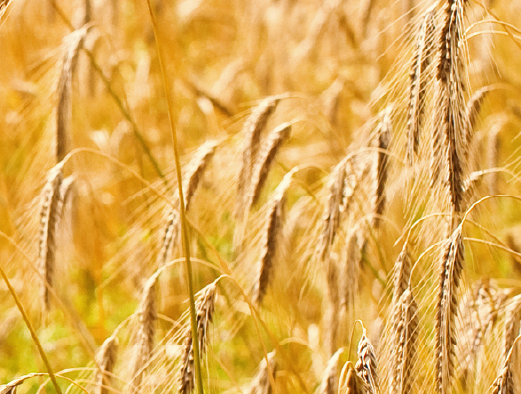
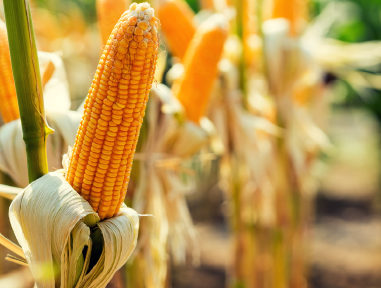
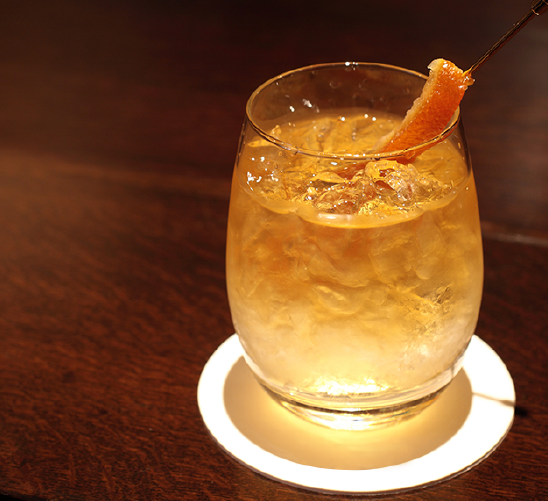
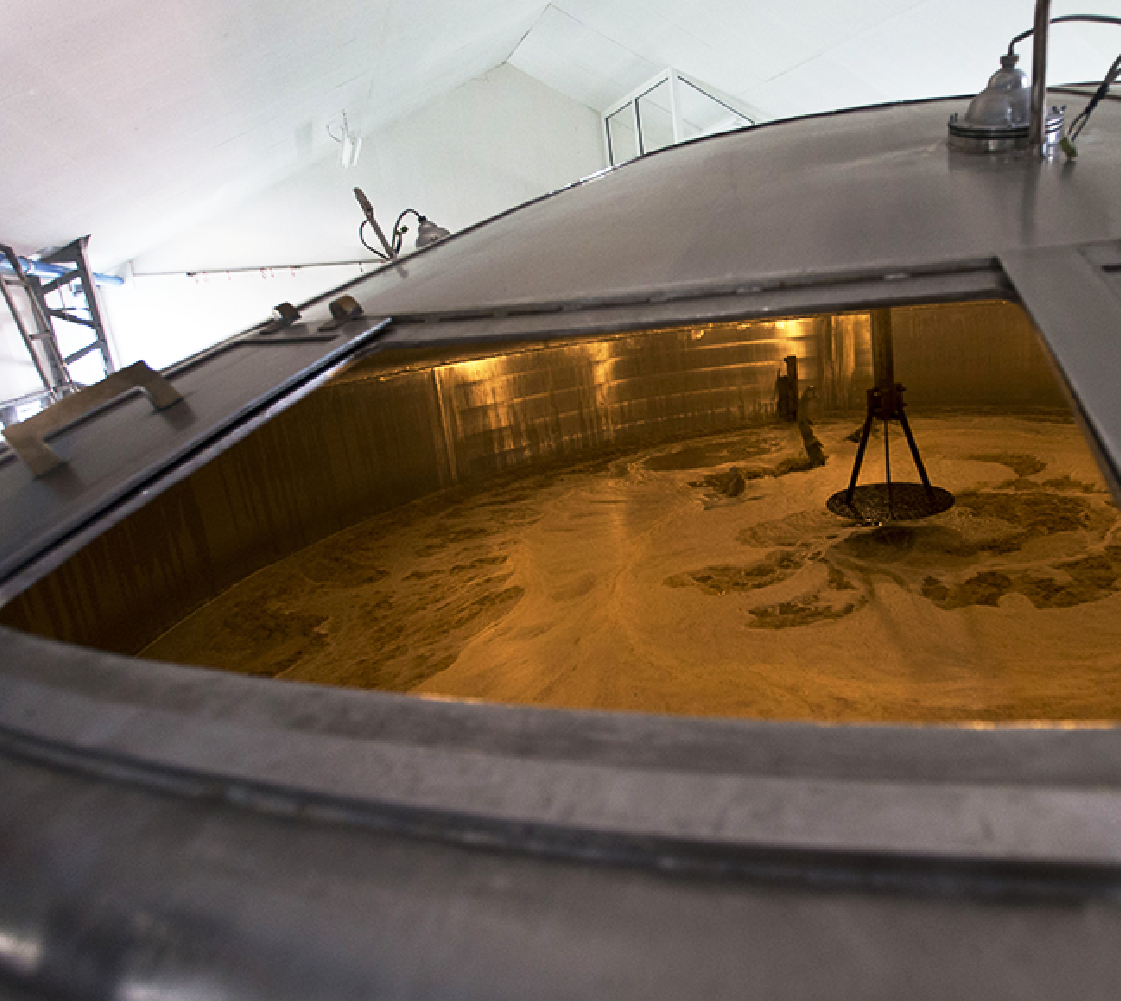
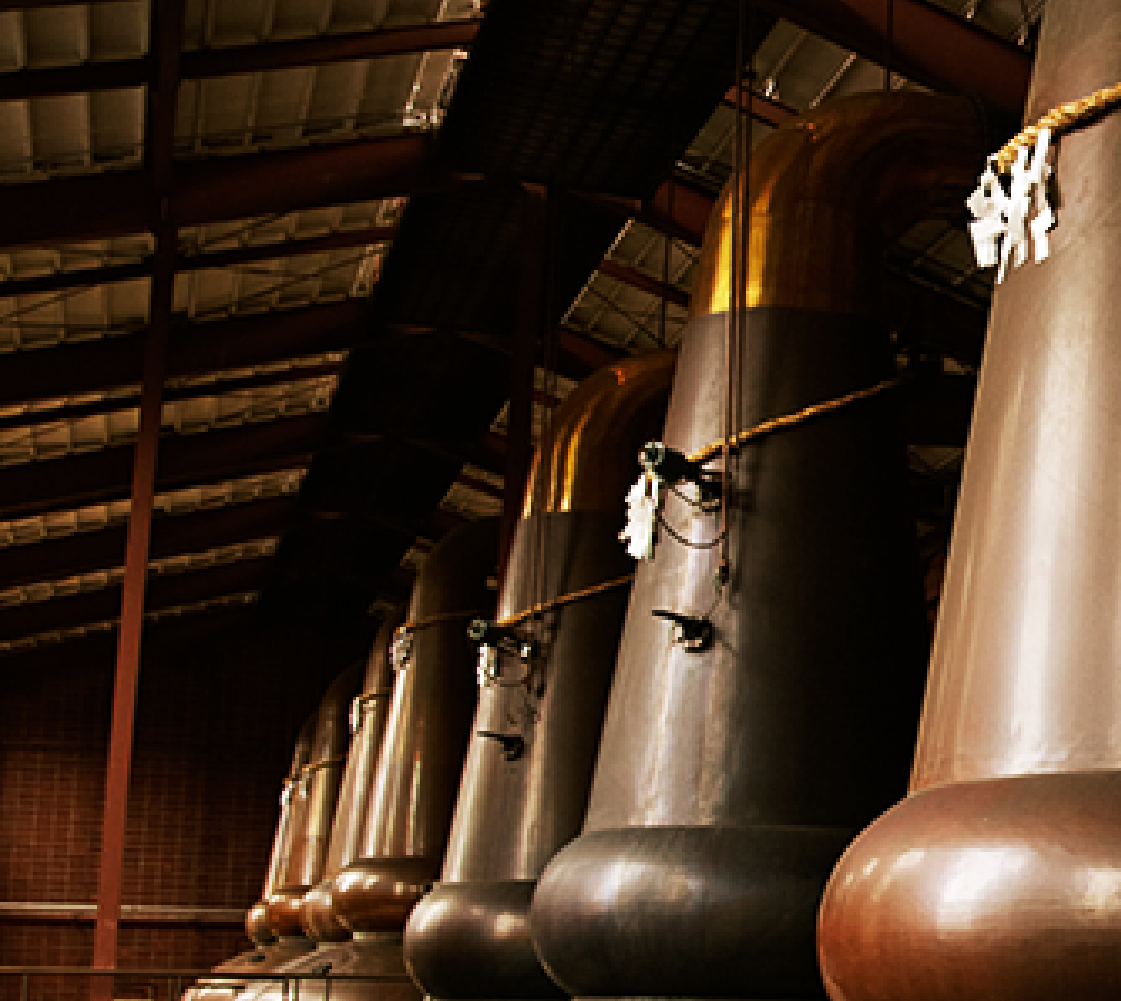
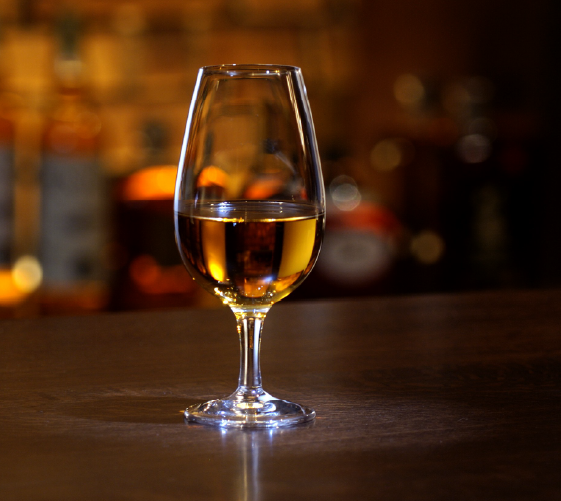
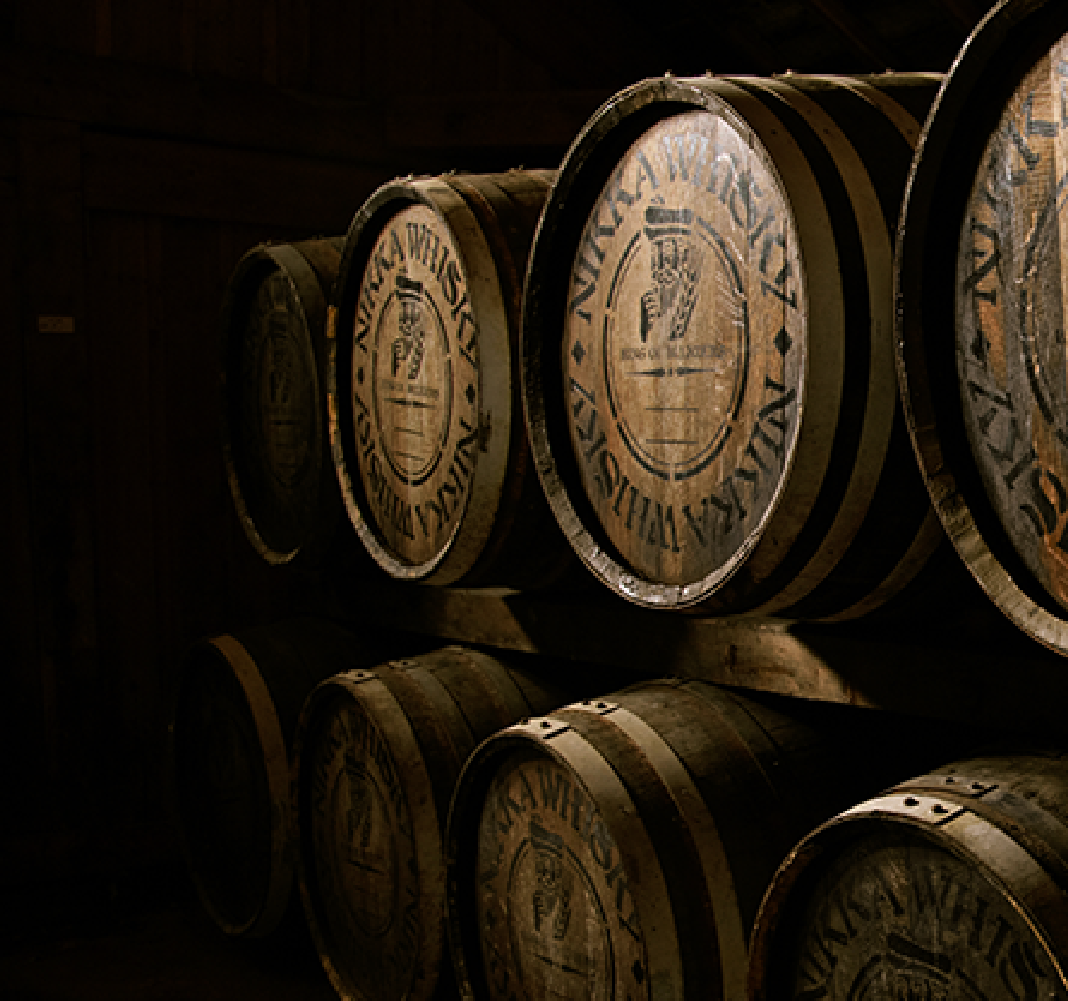
* Images are for illustrative purposes only.
Types of Whisky
Whisky made entirely from malted barley is classified as malt whisky,
while whisky made primarily
from grains other than malted barley, such as corn, is classified as grain whisky.
These are further divided by production method into categories such as single malt whisky and blended
whisky.
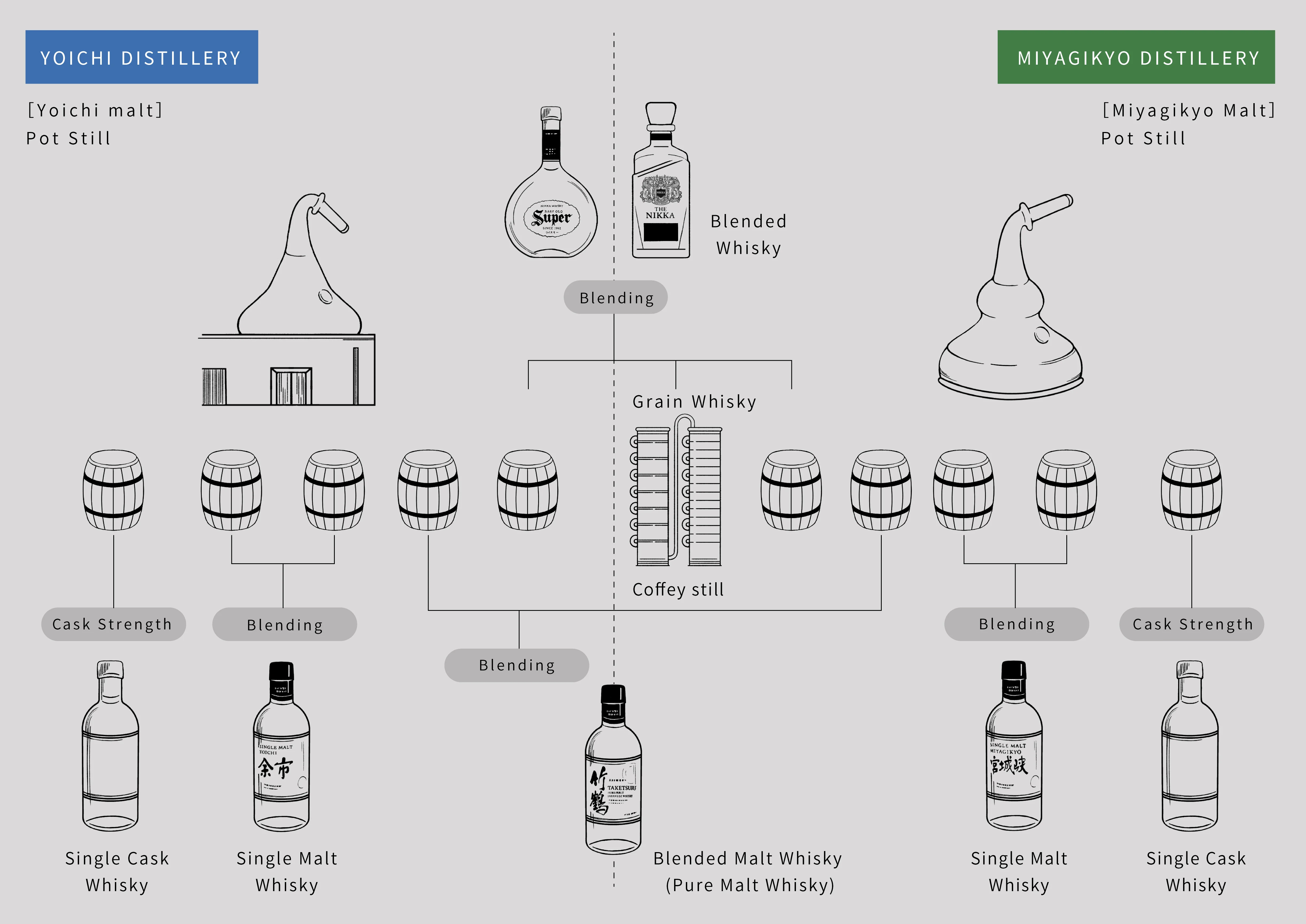
・Single Malt Whisky
- Whisky made only from malt spirits produced at a single distillery, usually Blended from different barrels. Each distillery’s unique production methods and environmental conditions create distinct characteristics.
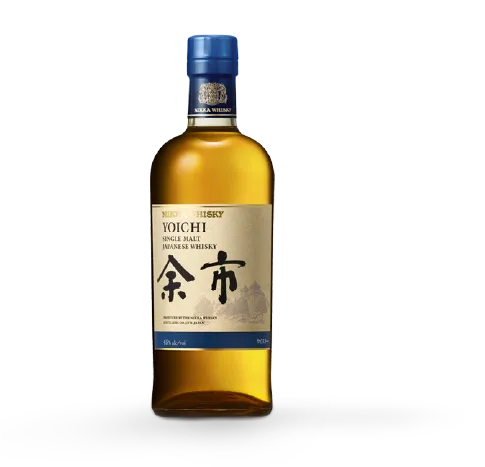
YOICHI
SINGLE MALT
(Single Malt Whisky)
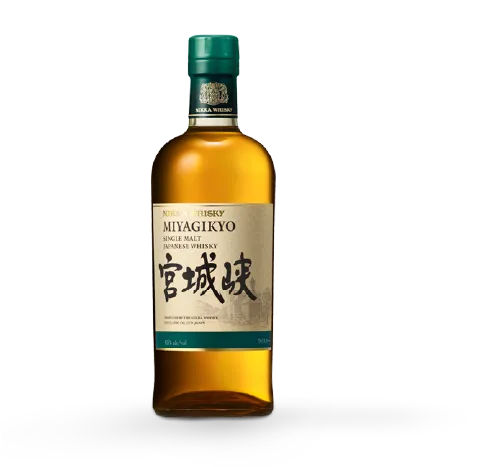
MIYAGIKYO
SINGLE MALT
(Single Malt Whisky)
・Single Cask Whisky
- A whisky bottled directly from a single cask with only minimal filtration applied. Most are bottled without water addition, typically at around 55–60% ABV.
・Blended Malt Whisky (Pure Malt Whisky)
-
Whisky blended from malt spirits produced at multiple distilleries. At Nikka, we use the term “Pure Malt” exclusively for whiskies blended from our own malt spirits.
In the case of “Taketsuru Pure Malt,” the distinct characters of malt spirits from both Yoichi and Miyagikyo distilleries merge to create a distinct character different from either single malt alone.
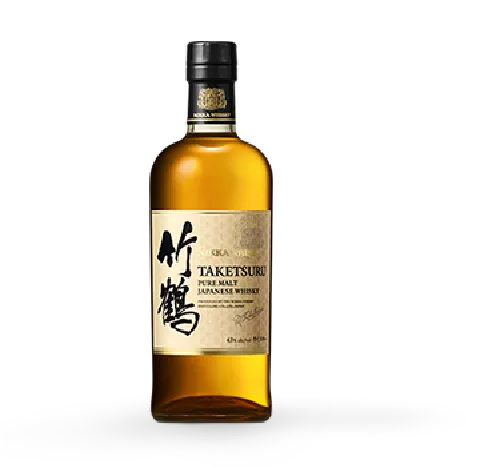
TAKETSURU
PURE MALT
(Pure Malt Whisky)
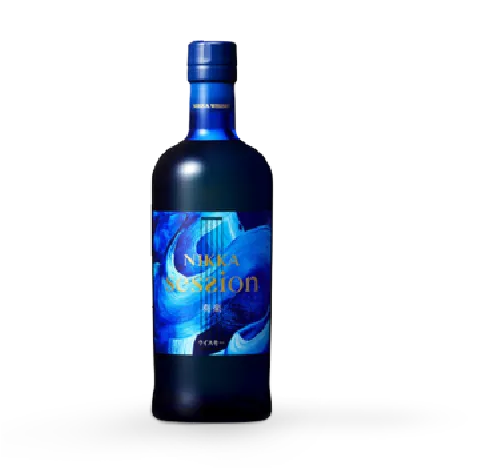
NIKKA SESSION
(Blended Malt Whisky)
・Grain Whisky
- A whisky made by distilling a mash of corn and other grains, with malted barley added for fermentation, using a Coffey still. It is known for its light, smooth character and gentle sweet notes, qualities that come from continuous distillation. Grain whisky is also one of the key components of blended whisky.
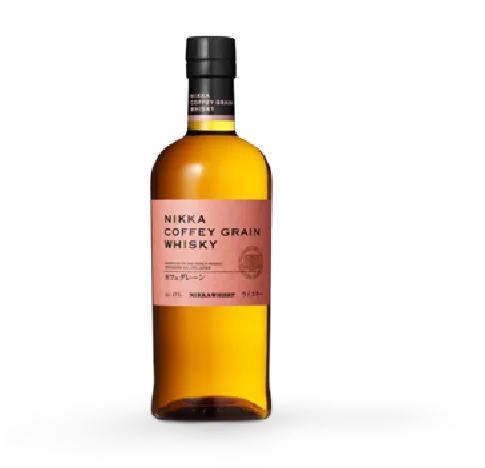
NIKKA COFFEY GRAIN
(Grain Whisky)
・Blended Whisky
- A whisky created by blending malt and grain spirits. Various malt and grain spirits, each with its own character shaped by cask type and years of maturation, are combined to achieve a precise balance.
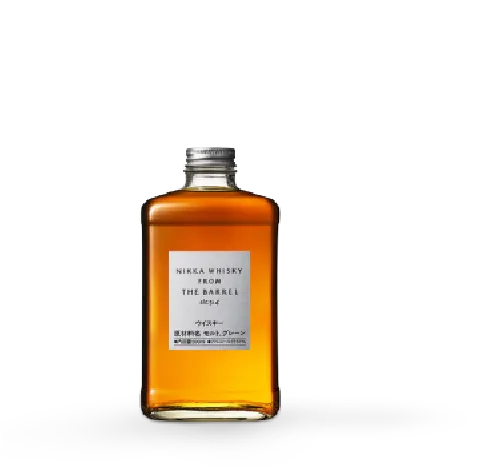
FROM THE BARREL
(Blended Whisky)
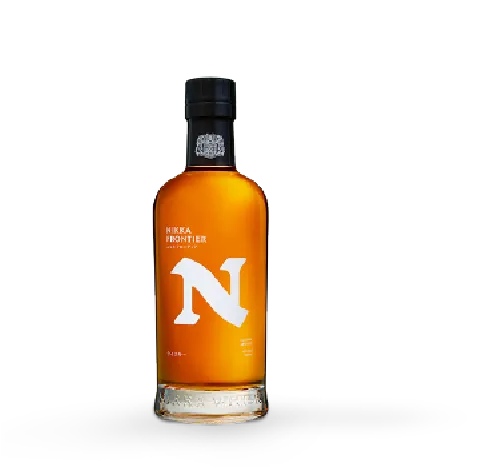
NIKKA FRONTIER
(Blended Whisky)
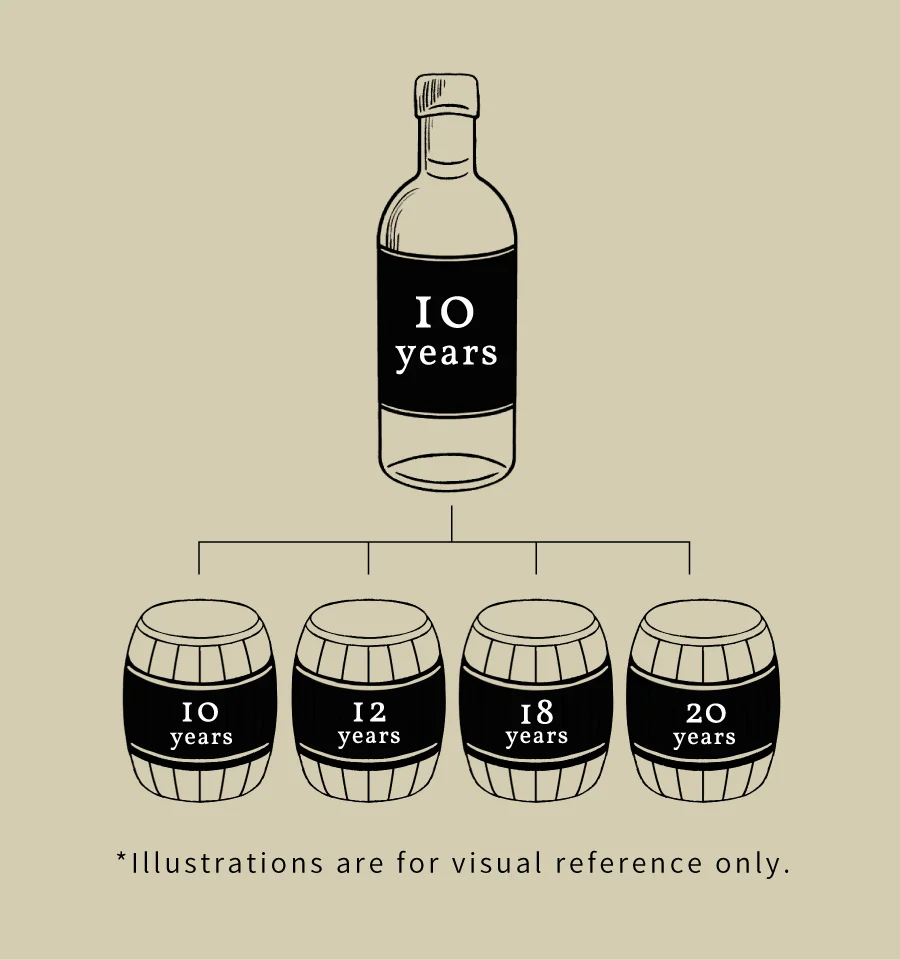
About Age Statements
- The blend contains spirits aged longer than the stated number.
- An age statement indicates that all spirits in the whisky have been stored and aged for at least the stated number of years. For example, a blended whisky labeled “10 years” contains both malt and grain spirits aged 10 years or more. It may even include spirits aged 15 years or longer. Conversely, if even one spirit among several is aged less than 10 years, it cannot be labeled “10 years.”
Shelf Life and Storage of Whisky
- Shelf Life Before Opening
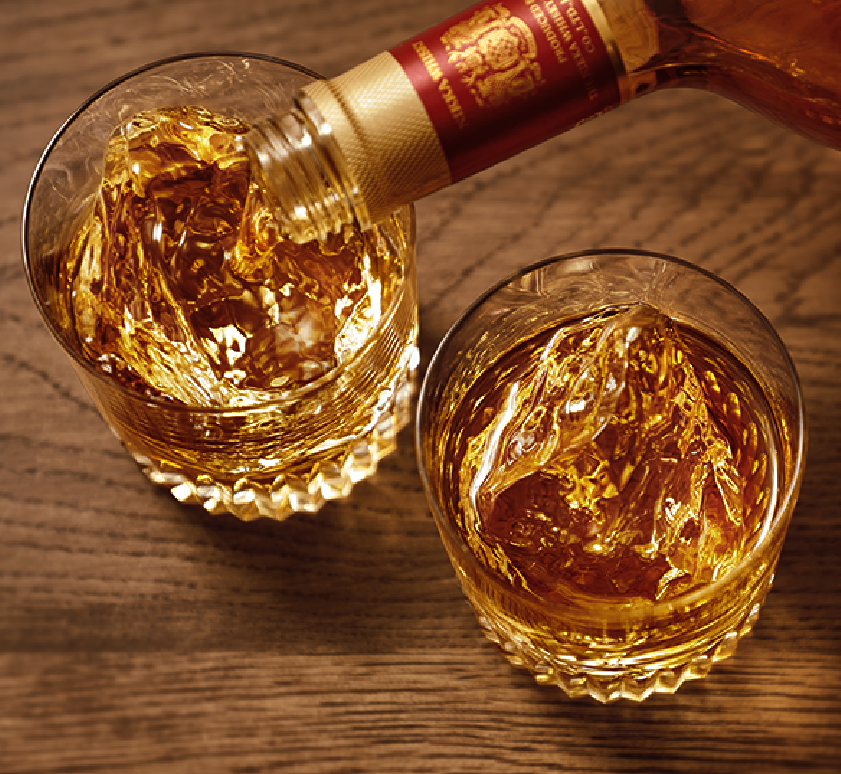
- Whisky’s high alcohol content makes it very stable. When unopened and properly stored, the contents show little change even after more than 10 years, so no expiration date is set. However, since storage conditions may change over time, we recommend enjoying it soon after purchase.
- Storage Tips
- It’s important to avoid high temperatures, excessive cold, sudden temperature changes, and high humidity, and to minimize exposure to light (UV rays). For whisky that comes with a box, we recommend keeping it in the box for storage. Refrigerators are not recommended due to excessive cold and vibration. Store bottles upright to prevent leakage. Additionally, don’t store whisky near strong-smelling items like soap or mothballs.
Malt Whisky
Whisky Making Process
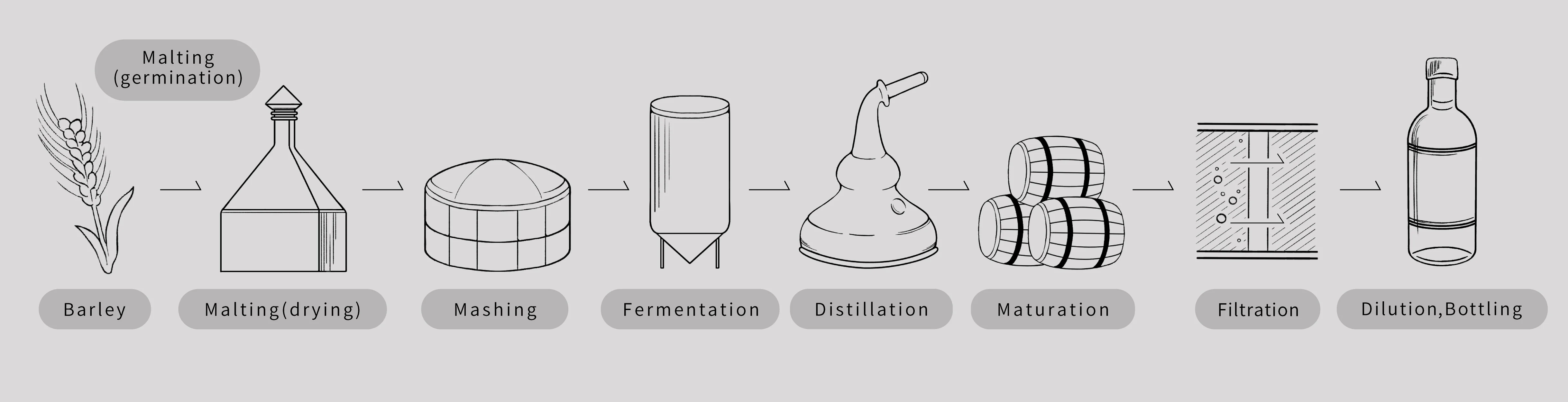
Malt whisky and grain whisky follow the same basic production process
—mashing, fermentation, distillation, and maturation—
but differ in raw materials and distillation methods. We compare them below.
How Malt Whisky is Made
01.Raw Materials
Two-row barley suitable for whisky production is germinated to create malted barley (malt). Additionally, high-quality water for brewing is essential.
Nikka’s Yoichi Distillery uses water from the upper reaches of the Yoichi River, while Miyagikyo Distillery uses underground water from the Nikkawa River.
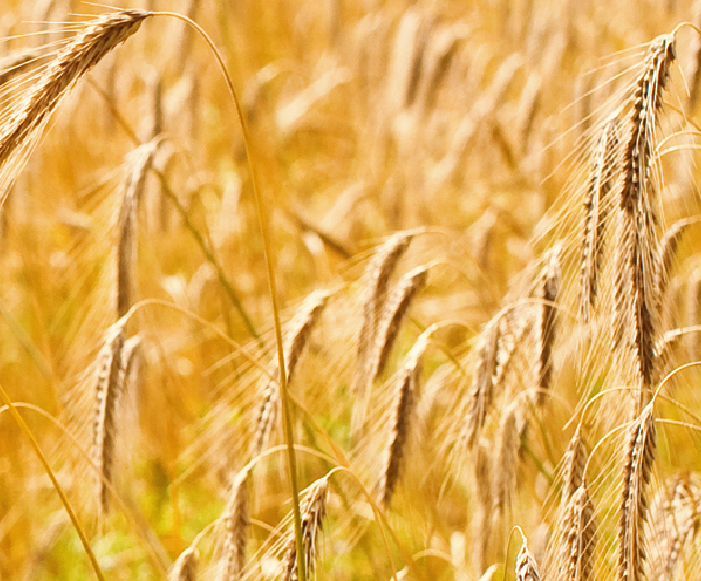
* Images are for illustrative purposes only.
- Whisky is born by turning barley into malt.
- After harvest, dried two-row barley for whisky is repeatedly soaked in water and exposed to air to promote germination. Enzymes produced during germination convert the barley’s starch into sugars (maltose) needed for alcohol fermentation. This is why it’s called malt whisky.
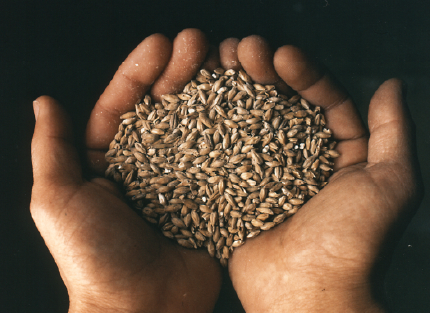
- Peat firing creates whisky’s smoky flavor.
-
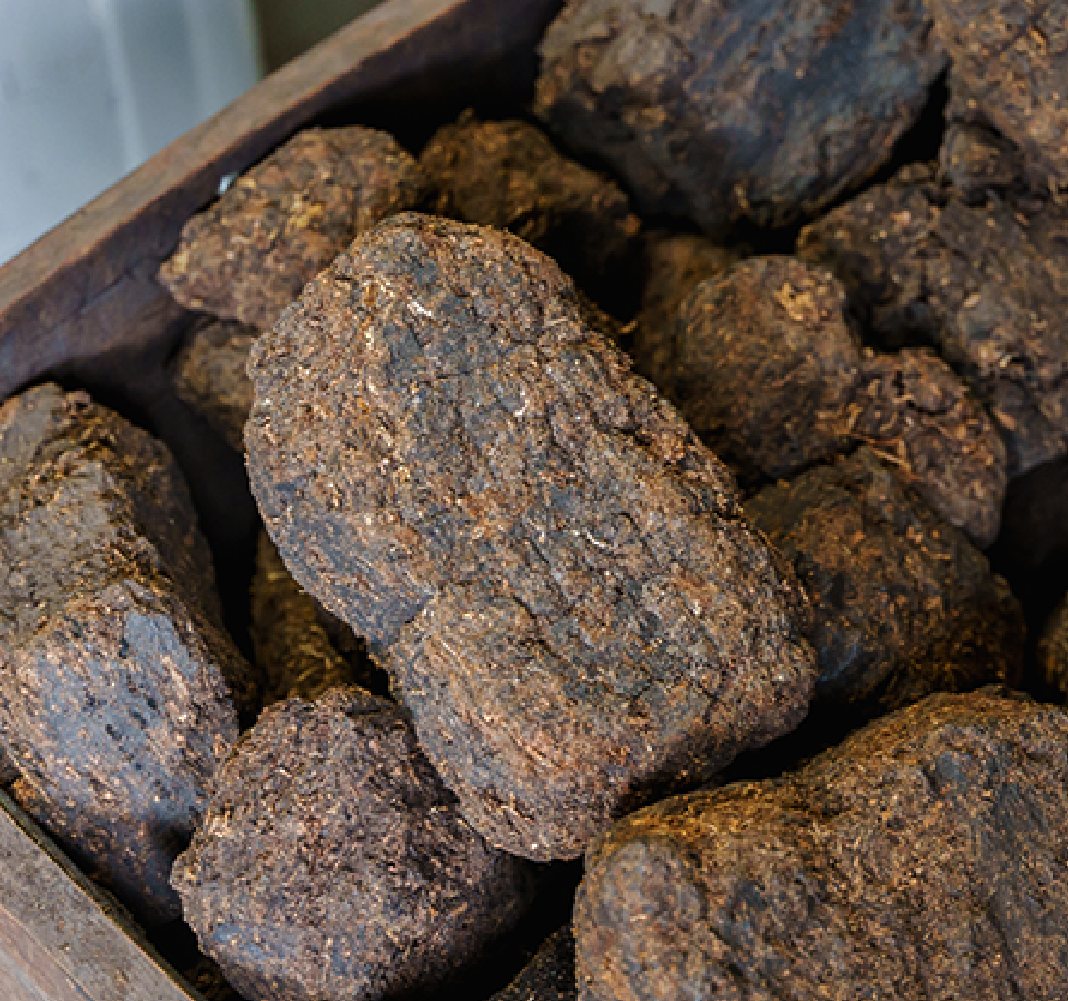
If germination proceeds too far, sugars are lost, so drying halts germination at the right point. In Scotland and elsewhere, peat was traditionally burned as a heat source for drying. Peat is formed over many years from accumulated ferns, mosses, grasses, shrubs, and heather in cold-climate wetlands.
Its smoke gives malted barley a distinctive flavor, making whisky synonymous with smokiness. Today, hot air drying without peat is also used, and peat firing is primarily for flavoring rather than drying.
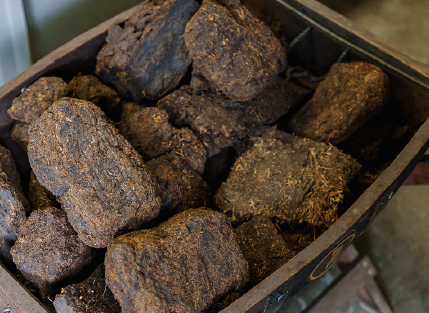
02.Mashing (Saccharification)
Malted barley is ground and mixed thoroughly with hot brewing water to create a porridge-like consistency. Here, enzymes in the malt convert starch into maltose, creating sweet wort.
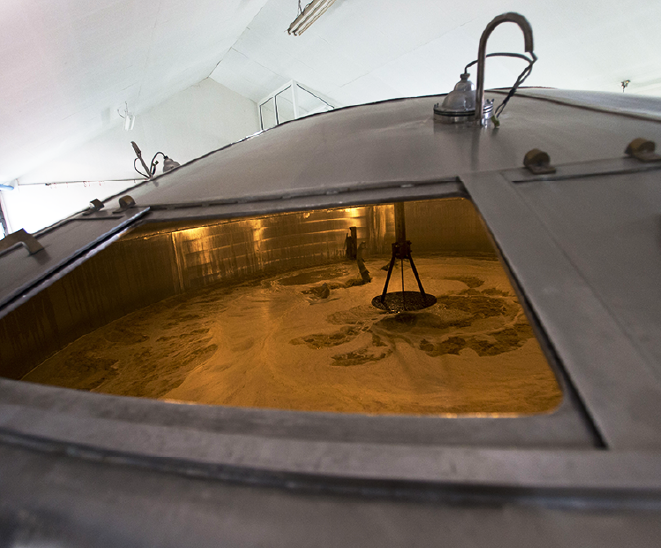
03.Fermentation
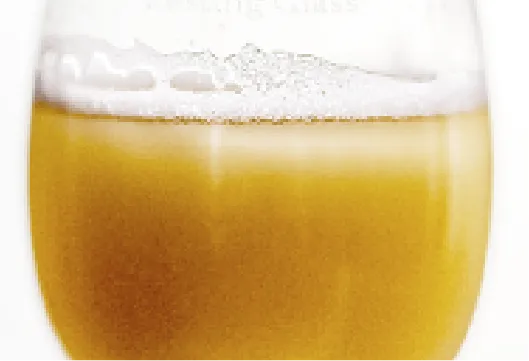
Adding yeast to the wort begins fermentation. Over 2–3 days, yeast breaks down maltose into alcohol and carbon dioxide. The wort becomes a beer-like liquid containing 7–9% alcohol, called wash.
04.Distillation
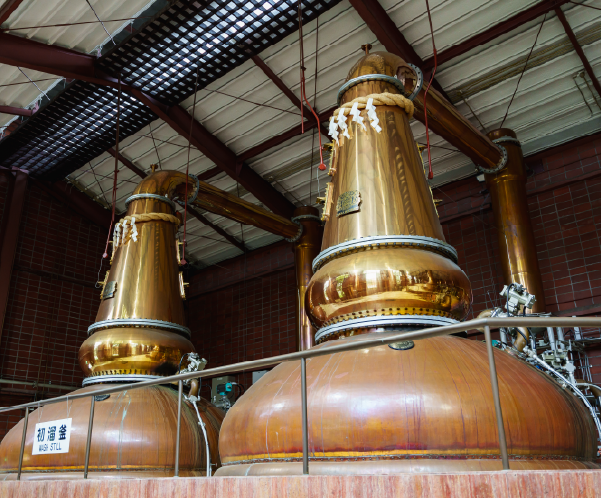
Malt whisky is distilled in copper pot stills. The wash is heated in the still. Vapor containing alcohol and aromatic compounds is extracted, cooled, and condensed into liquid. To increase alcohol content, Scottish and Japanese whiskies undergo two distillations (first distillation and second distillation).
More Details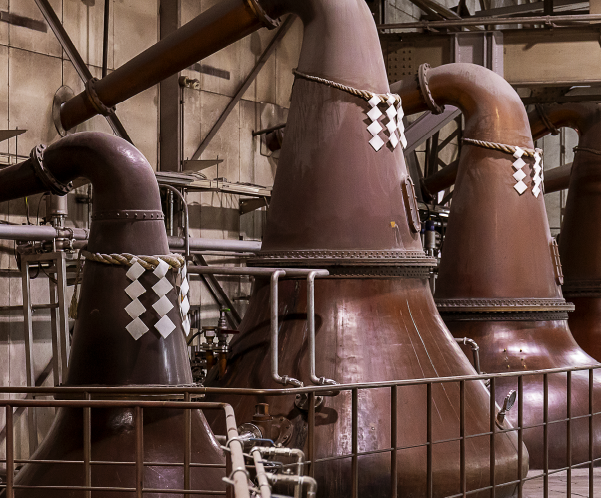
Pot Stills
- Made of 100% copper
- All pot stills used in whisky making are made of copper. Copper has been traditionally used because it’s easy to work with and has excellent heat conductivity. Additionally, copper helps remove sulphur compounds and other elements that can cause unpleasant aromas, contributing to the development of whisky's flavor.
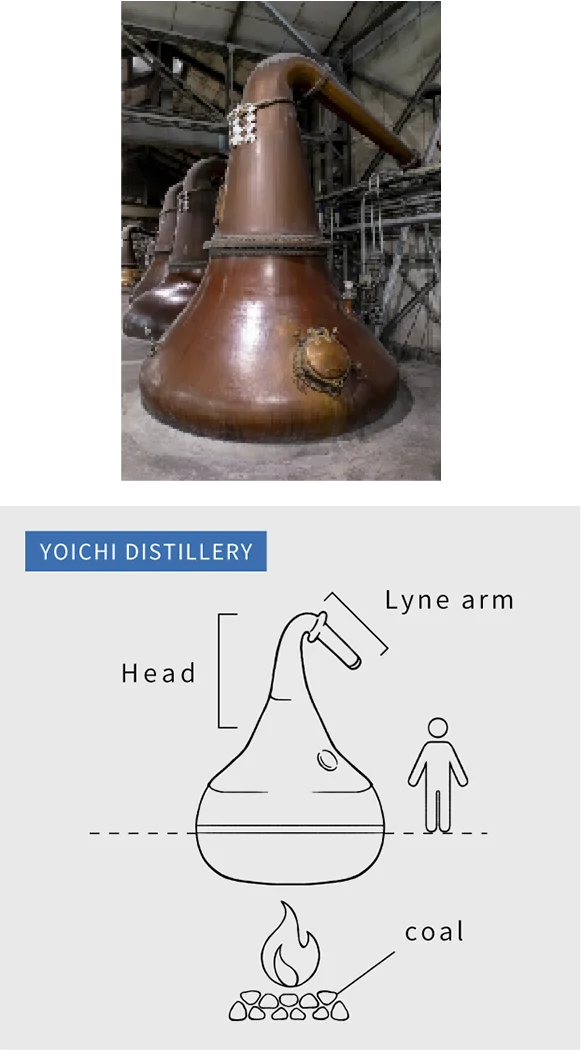
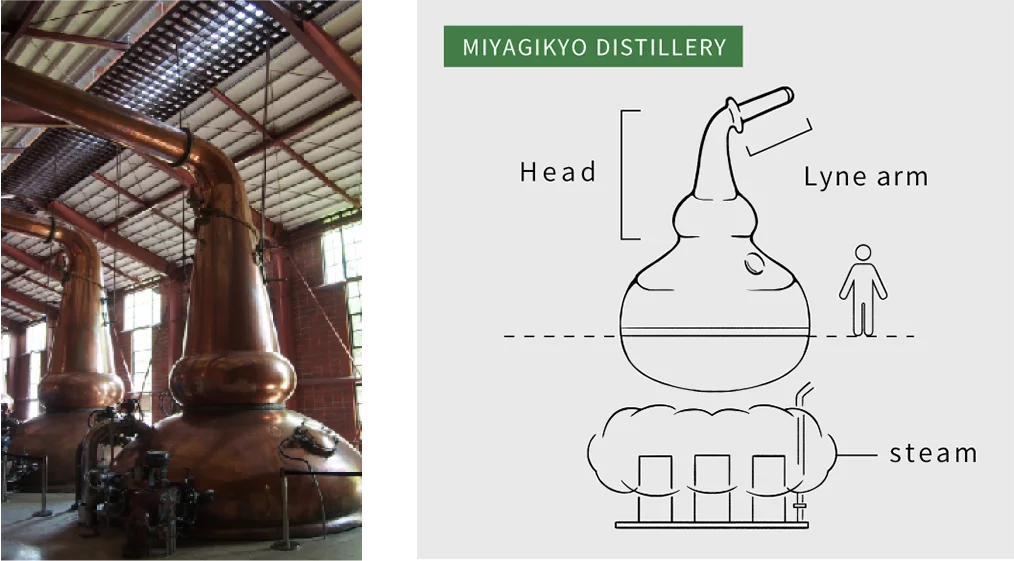
- Shape, size, and heating method affect whisky’s flavor.
-
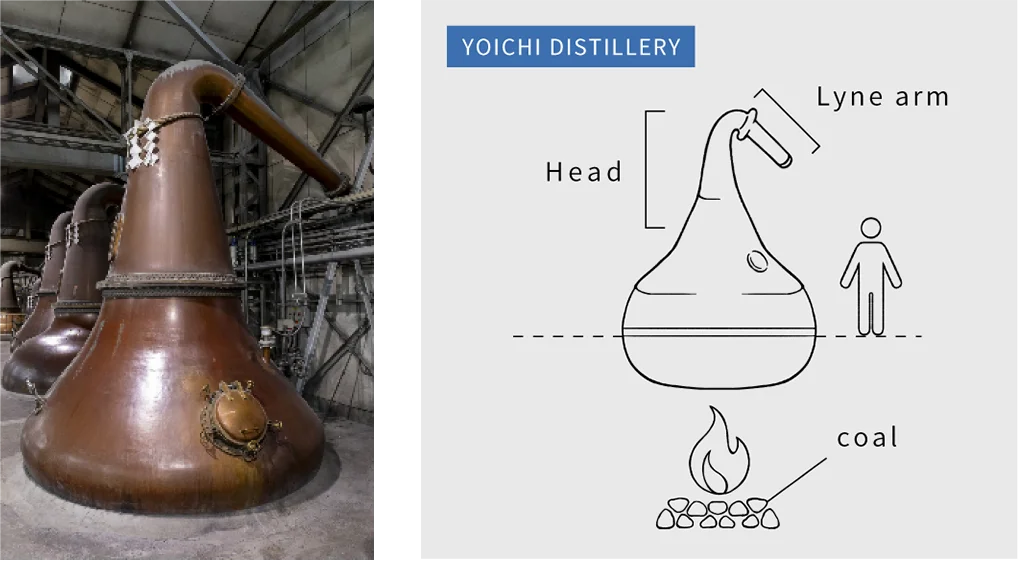
Generally, the following conditions create either robust, full-bodied spirits or light, clean spirits.
-
- Robust, Full-Bodied Spirits
-
- [Head shape] No bulge (straight head type, onion type)
*Yoichi Distillery uses straight head type - [Lyne arm] Downward and short
- [Size/height] Small and short
- [Heating method] Direct firing (coal, gas)
*Yoichi Distillery uses coal-fired direct heating
- [Head shape] No bulge (straight head type, onion type)
-
- Refined, Smooth Spirits
-
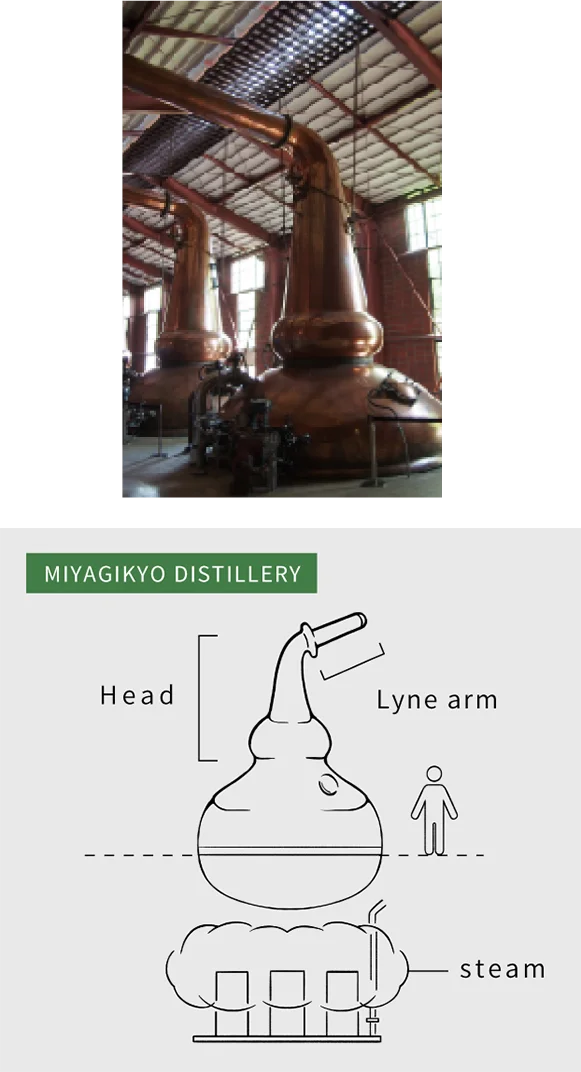
- [Head shape] With bulge (bulge type, lantern type)
*Miyagikyo Distillery uses bulge type - [Lyne arm] Upward and long
- [Size/height] Large and tall
- [Heating method] Indirect heating (steam)
- [Head shape] With bulge (bulge type, lantern type)
-
05.Storage and Maturation
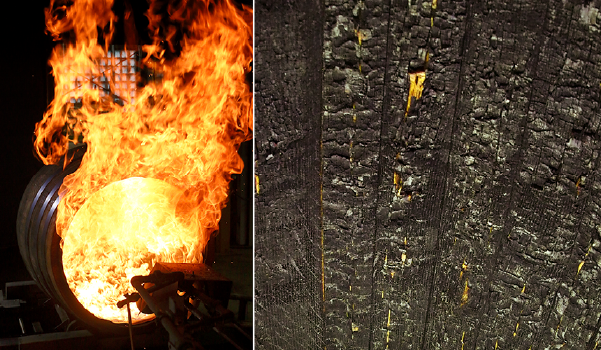
The clear, colorless distillate (new make) with approximately 60% alcohol is filled into casks and stored in warehouses. Wood components dissolve from the charred interior of the cask, and contact with air through the wood makes the spirit’s flavor more complex, deepening its amber color and increasing smoothness.
More Details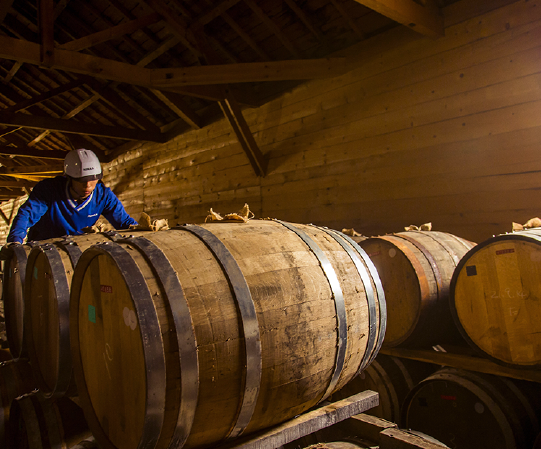
Whisky Casks and Warehouses
- Flavor varies with cask material, size, and history.
- Generally, smaller casks allow spirits to mature faster. Larger casks are considered better for long-term maturation. Casks are used with charred interiors (charring or toasting) and are re-charred, have staves replaced or repaired, and used for 60–80 years. Spirits stored in freshly charred casks show more of the cask’s character in aroma and flavor.
- Warehouse environment affects whisky maturation.
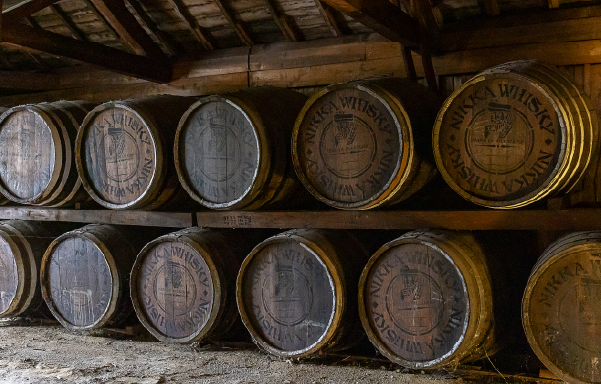
- Traditional Scottish warehouses have earth floors with wooden rails on which casks are arranged. This is called dunnage-style warehousing, where casks are stacked only about three high.
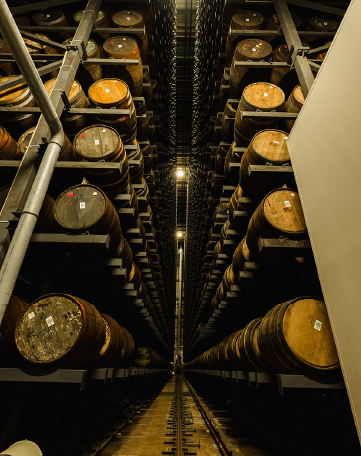
Racked warehouses, on the other hand, use massive metal shelving to stack casks many levels high. In recent years, warehouses have become taller, and computer-controlled machinery automatically retrieves casks and changes their positions to control maturation for each cask.
Various factors interact in complex ways—location within the warehouse, stacking height, temperature and humidity from the surrounding environment—to mature malt spirits with different characteristics in each cask.
- What is the “Angel’s Share”?
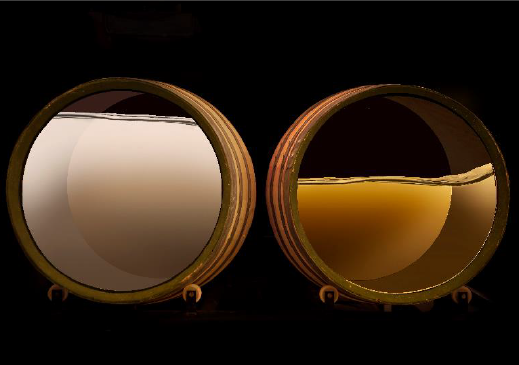
- The portion of whisky that evaporates during cask maturation is called the “angel’s share.” This loss is typically around 2–3% per year, although it is calculated based on the remaining volume each year. As a result, the total loss over time is less than a simple sum. It is also influenced by warehouse temperature and humidity—the drier and warmer the conditions, the greater the loss.
06.Blending
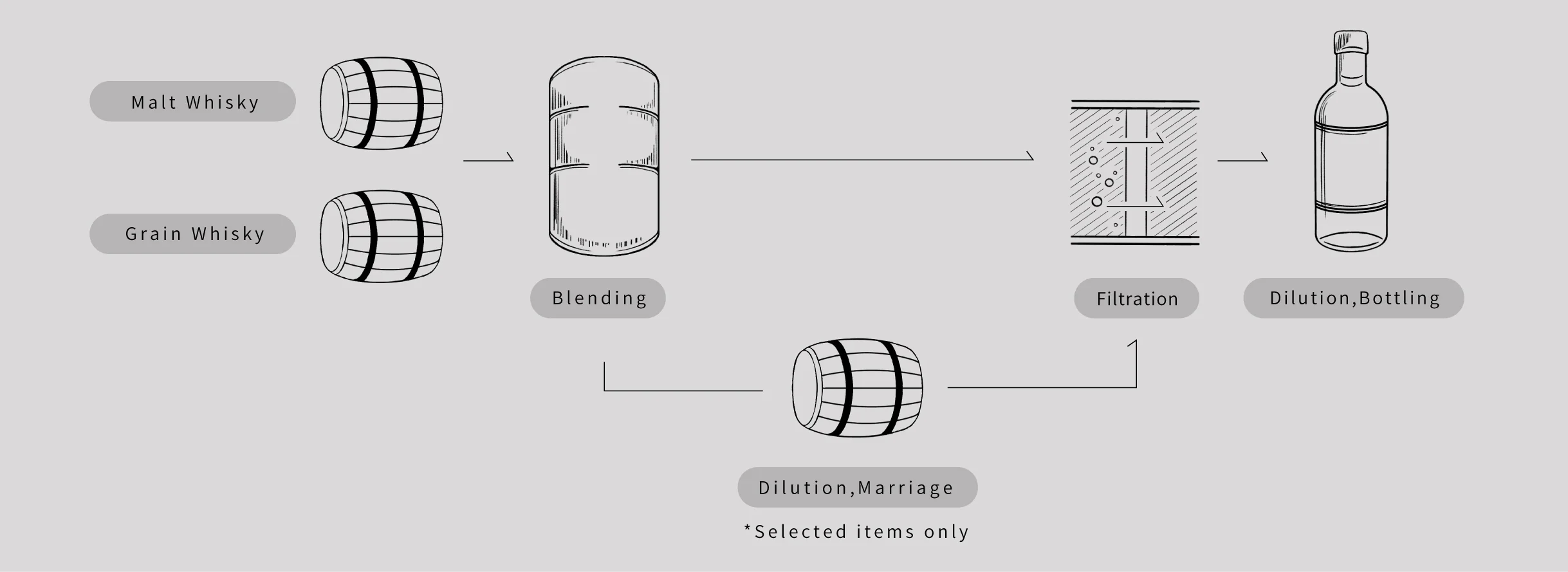
Based on the blender’s recipe, spirits with different characteristics are blended together. Even spirits produced from the same malt and yeast can vary from cask to cask, so blending ensures a consistent flavor profile.
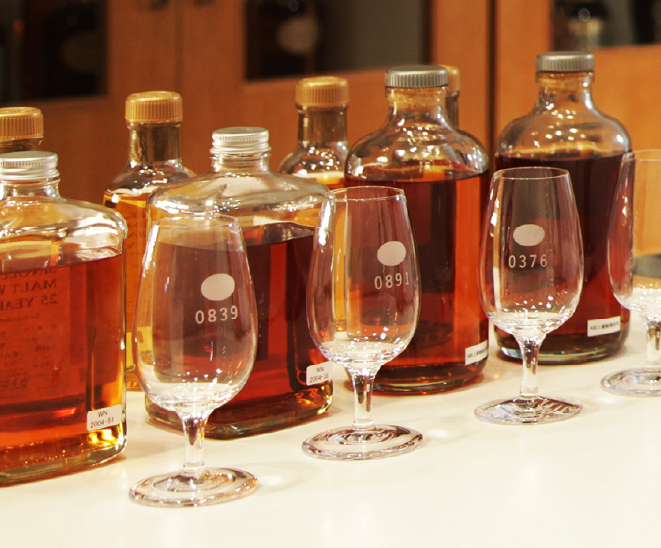
07.Filtration
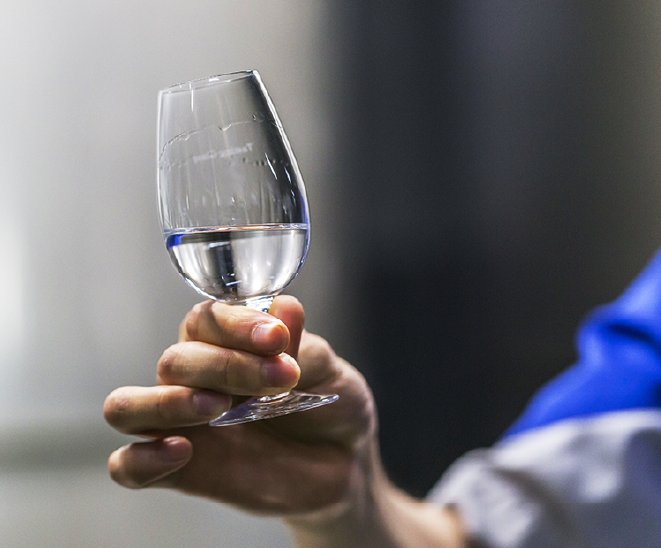
Impurities are removed through filters. Chill filtration is typically used to remove components that cause cloudiness at low temperatures, but some products are deliberately filtered at room temperature (non-chill filtration).
08.Dilution and Bottling
Purified water is added to malt spirits with around 60% alcohol to adjust them to the specified alcohol content (often around 40%) for standard products. Then they’re bottled.
How Grain Whisky is Made
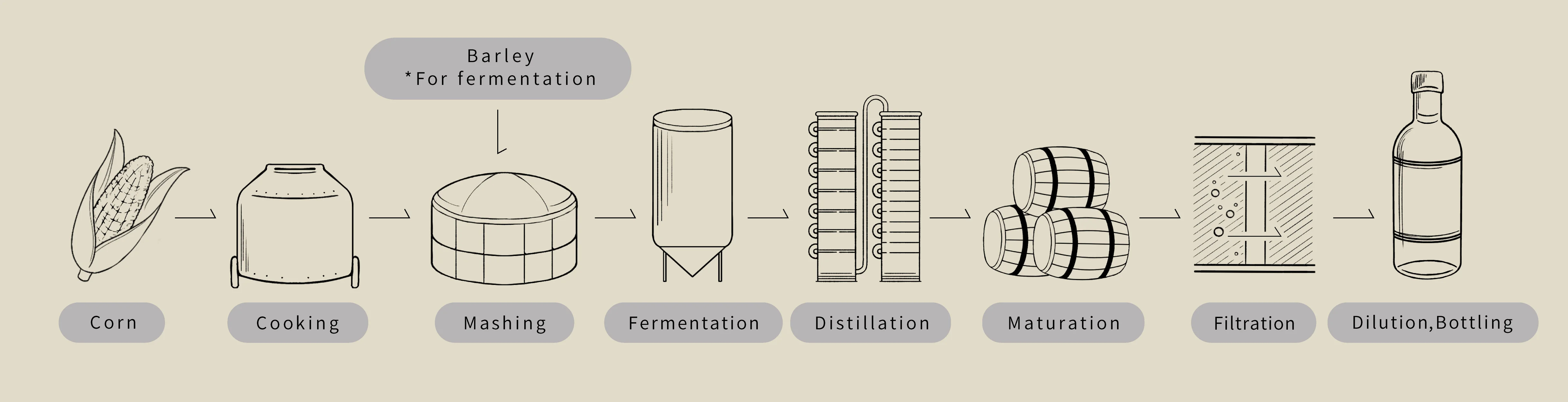
01.Raw Materials
The typical main ingredient is corn. Unmalted wheat and barley are also used as raw materials. Malted barley is added as a secondary ingredient to saccharify the main grain using the malt’s enzymes.
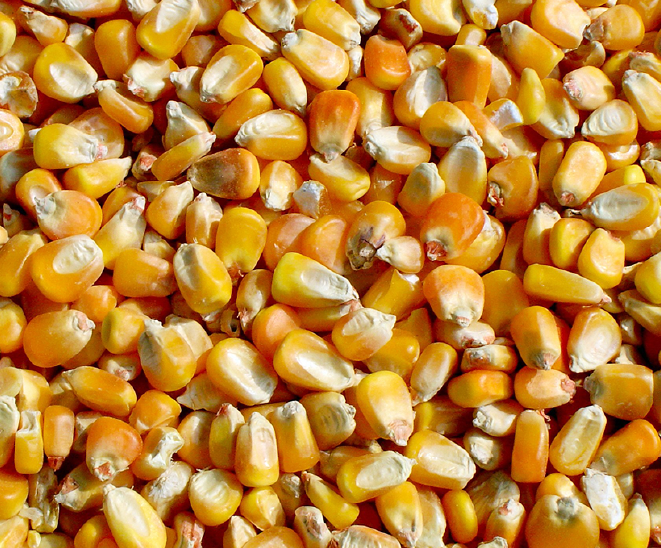
* Images are for illustrative purposes only.
02.Cooking and Mashing (Saccharification)
Ground corn is mixed with hot water then heated and cooked. After cooling, a porridge-like mixture of ground malt and hot water is added for mashing.
03.Fermentation
The saccharified liquid is transferred to fermentation tanks and yeast is added. Fermentation takes slightly longer than malt whisky, about 3–4 days, creating a wash with approximately 8–11% alcohol.
04.Distillation
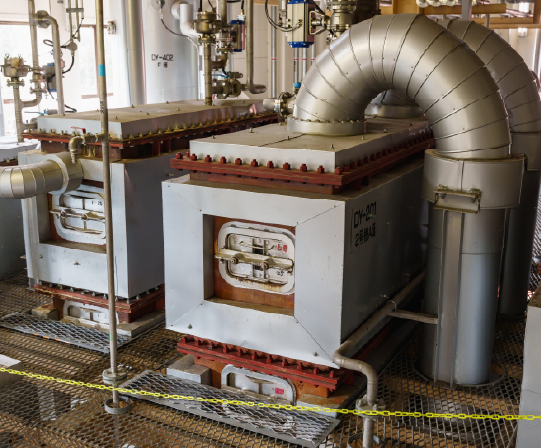
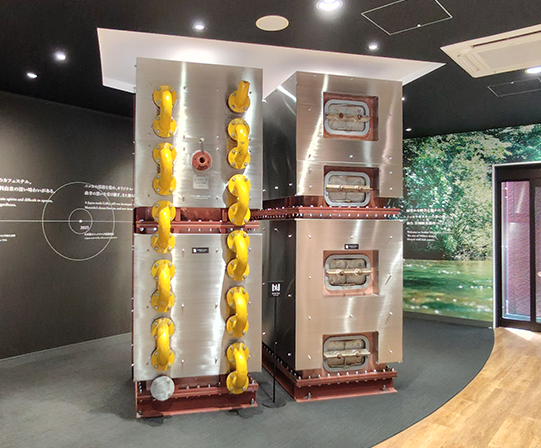
Grain whisky is distilled in continuous stills; at Nikka, we primarily use a Coffey still. A continuous still is like a large tower with dozens of chambers stacked together, each functioning like a pot still. Wash is continuously fed in and repeatedly distilled within the still, allowing large quantities of distillate with over 90% alcohol to be produced in a single operation. This enabled full-scale production of grain whisky from grains like corn. It led to the birth of blended whisky in 1860, bringing major transformation to the whisky world.
More Details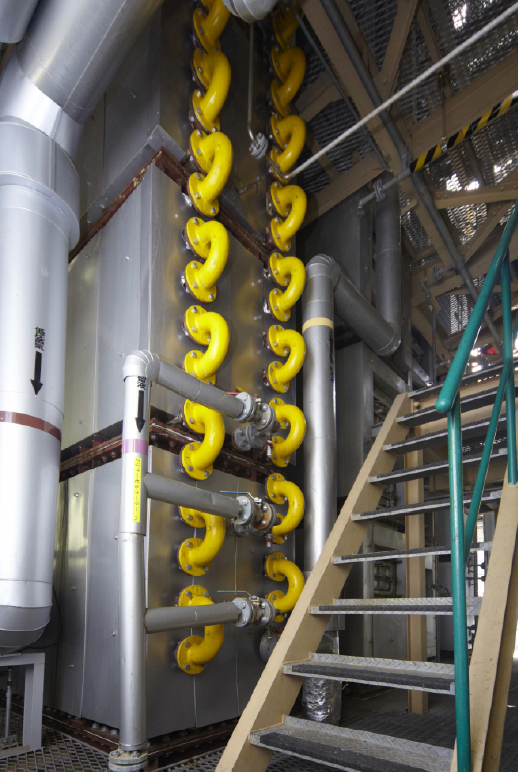
Coffey still
- Preserving the aromas and compounds derived from the raw ingredients.
-
The continuous still at Miyagikyo Distillery was developed by Aeneas Coffey around 1830 and is called a Coffey still.
The Coffey still is an older type of continuous still with lower alcohol purity and distillation efficiency, but it retains the raw material’s aroma, sweetness, and richness in the distillate.
The Coffey still Nikka introduced in the 1960s is a two-column system consisting of an analyzer (stripping column) and a rectifying column, but modern continuous stills (column stills) pursuing efficiency typically have 4 to 10 or more columns.
05.Storage and Maturation
Distillate from continuous stills (new make) has over 90% alcohol. Therefore, water is added to adjust the alcohol content to around 60% before casking and storage.
Except when released as standalone grain whisky products like “Nikka Coffey Grain,” most grain spirit is used as a component in blended whisky.
How Blended Whisky is Made
- Blending
- Blended whisky is created by combining malt and grain spirits. In general, the malt spirit provides the flavor character and structure, while the grain spirit contributes harmony and smoothness to the overall blend. The blended whisky is then diluted and filtered as needed before being bottled as a finished product.
- What is Marrying?
-
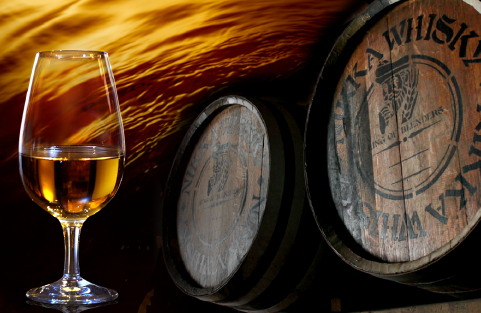
After blending malt and grain spirits, they’re returned to casks for several weeks to a few months to allow the blended components to integrate. This process allows whiskies with different characteristics to harmonize, creating a more balanced and cohesive profile. Refill casks that don’t impart much character are used.
CONTENTS
